
What is Dyslexia?
What is Dyslexia?
From the International Dyslexia Association: “Dyslexia is a specific learning disability characterized by difficulties in word reading and/or spelling that involve accuracy, speed, or both and vary depending on the orthography. These difficulties occur along a continuum of severity and persist even with instruction that is effective for the individual’s peers. The causes of dyslexia are complex and involve combinations of genetic, neurobiological, and environmental influences that interact throughout development. Underlying difficulties with phonological and morphological processing are common but not universal, and early oral language weaknesses often foreshadow literacy challenges. Secondary consequences include reading comprehension problems and reduced reading and writing experience that can impede growth in language, knowledge, written expression, and overall academic achievement. Psychological well-being and employment opportunities also may be affected. Although identification and targeted instruction are important at any age, language and literacy support before and during the early years of education is particularly effective.”
In line with Indiana Code 20-32-8.5, Good Shepherd is obliged to publish the number of students identified as “at some risk” and “at risk” during the previous school year, as well as the number of students officially diagnosed with dyslexia. This represents the number of students who received appropriate interventions.
In 2025-26, our interventionists worked with 19 students identified as being at some level of risk of reading difficulty.
In 2025-26, one student received an official dyslexia diagnosis.
How does Good Shepherd support students with dyslexia or learning characteristics of dyslexia?
Methodology:
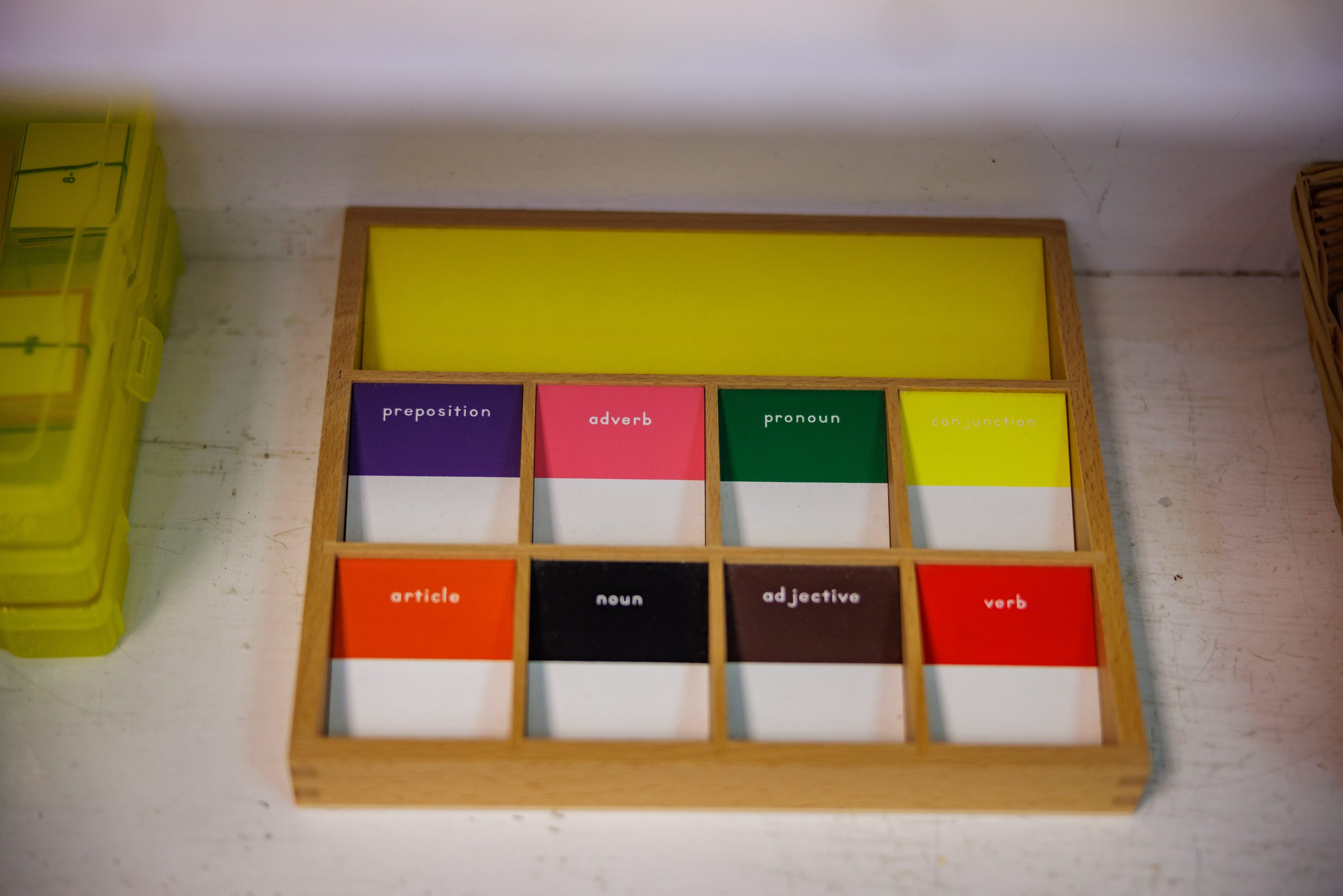
In the lower elementary environment, students receive core reading instruction using the Waseca Reading Program, a Montessori and Science of Reading-aligned program that uses a systematic, sequential, phonics-based approach balancing encoding (spelling) and decoding (writing).
Good Shepherd utilizes a universal screening framework in grades K-4 to identify students who are at risk or at some risk of reading difficulties. We utilize the Phonological Awareness Screening Test (PAST) midyear PK5; we utilize Dynamic Indicators of Basic Early Literacy Skills (Dibels) assessments at the beginning of year, middle of year, and end of year for grades K-4.
Our literacy specialist is trained in the Orton-Gillingham method, a highly structured, prescriptive approach that breaks reading and spelling down into smaller skills involving letters and sounds. A key feature of the Orton-Gillingham methodology is explicit, direct, sequential, systematic, multi-sensory instruction to teach foundational literacy skills. Structured literacy is effective for all students but essential for teaching students with dyslexia and learning characteristics of dyslexia.